

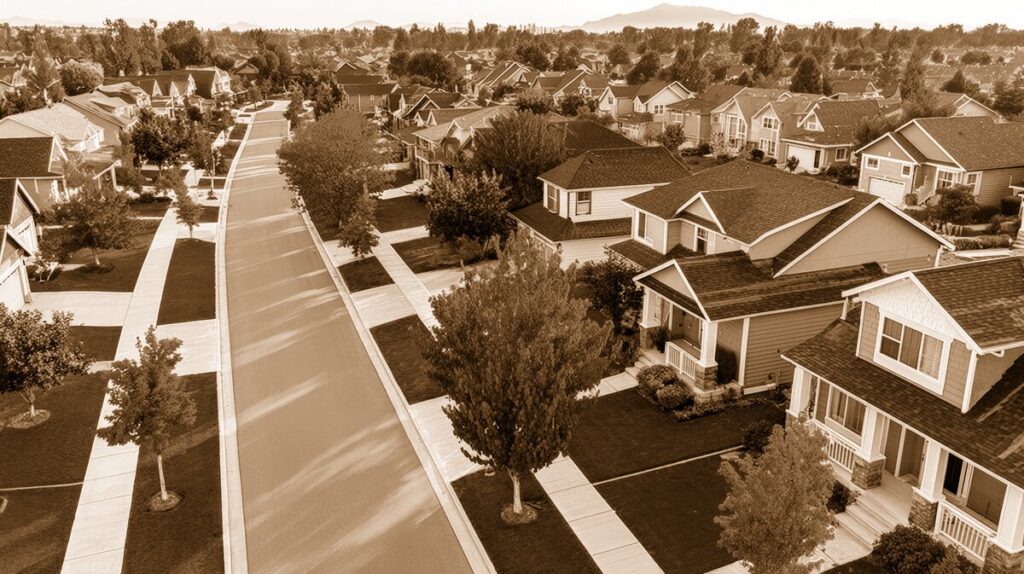
Nestled just west of downtown Monroe, Forest Hills stands as a living testament to both the enduring charm and quiet evolution of one of the city’s most beloved neighborhoods. With its leafy streets, stately homes, and grounded sense of community, Forest Hills isn’t just a place on the map—it’s a cherished chapter in the ever-unfolding story of Monroe itself.
Origins: From Timberland to Tranquil Retreat
In the early 20th century, what is now Forest Hills was marked by dense woodlands and the meandering banks of Richardson Creek. Monroe was already an established railroad town, but this area remained largely untouched—an expanse of rolling hills and towering oaks that inspired both admiration and opportunity.
The neighborhood’s beginnings can be traced back to the late 1920s and 1930s, a period when Monroe’s growth called for new residential developments away from the bustle of downtown. Local developers envisioned an enclave that combined city convenience with the peacefulness of nature. Thus, “Forest Hills” was born—a name that captures both its topography and wooded beauty.
Naming the Neighborhood: A Nod to Nature
The moniker “Forest Hills” speaks directly to the land’s character. Locals recall that, long before the first foundation was poured, the neighborhood’s gentle hills were blanketed by a canopy of native hardwoods—oak, maple, poplar, and towering pine. The name was partly chosen to reflect this natural inheritance and partly as an invitation: a promise of tranquil, shaded streets for future families.
Several street names in the area—such as Woodland Drive, Pinewood Circle, and Forest Hills Drive—intentionally echo this legacy, preserving the neighborhood’s connection to its timbered roots.
Key Historical Milestones
Forest Hills has seen many pivotal moments that shaped its unique identity:
- 1930s–1940s: The earliest homes sprang up along Woodland Drive and Forest Hills Drive, often built in the classic Craftsman and Colonial Revival styles popular at the time.
- 1950s–1960s: Post-war prosperity brought a new generation of families, transforming Forest Hills into a hub for Monroe’s professionals and civic leaders. Additional blocks filled in, and the neighborhood’s signature curving streets emerged—laid out to follow the land’s natural contours.
- 1970s–1980s: While other areas saw new subdivisions, Forest Hills remained prized for its established trees, spacious lots, and single-family homes. Community involvement flourished, particularly around Forest Hills Park—a central gathering place for picnics, baseball games, and neighborhood celebrations.
- 1990s–Present: The neighborhood resisted the push for major commercial development, preserving its tranquility even as Monroe’s outskirts expanded. Many homes from the earliest days still stand, lovingly restored by new generations.
Notable Landmarks and Institutions
Though residential at its heart, Forest Hills’ landscape is dotted with places that tell its story and foster its spirit.
- Forest Hills Park: Located at the intersection of Forest Hill Drive and Woodland Drive, this green oasis has long been the neighborhood’s social backbone. Its playgrounds, tennis courts, and open fields have hosted everything from birthday parties to summer evening concerts.
- Forest Hills Church: Founded in the mid-20th century, this welcoming congregation reflects the community’s enduring values of faith and fellowship. Its brick sanctuary, set among the trees on Forest Hills School Road, is a Sunday morning landmark.
- Historic Homes: Many houses along Woodland Drive and Sycamore Street showcase period architecture—brick facades, columned porches, and original hardwood floors—evidence of the neighborhood’s careful preservation efforts.
Evolving With the Times
Forest Hills is as much about people as it is about place. Over the decades, the neighborhood has evolved in response to new challenges and possibilities.
- *Preservation and Renewal:* Longtime residents have worked to maintain Forest Hills’ distinct character, forming neighborhood associations dedicated to beautification and responsible growth. Restoration of older homes is common, with many families blending historic charm and modern amenities.
- *Diverse Community:* While generations of Monroe natives have put down roots here, newcomers are always welcome. Today’s Forest Hills is a blend of established families, young professionals, and retirees—each drawn by the neighborhood’s reputation for safety, friendliness, and civic pride.
- *Events and Traditions:* Annual Halloween parades, spring yard sales, and neighborhood picnics still draw crowds, fostering connections that make Forest Hills feel like a village within the city.
Special Streets and Sights
A stroll through Forest Hills is a journey through both memory and renewal. Some highlights include:
- Sycamore Street: Lined with heritage trees and architecturally distinctive homes, it’s a favorite for evening walks.
- Woodland Drive: The neighborhood’s backbone, where community events often unfold and neighbors wave from broad front porches.
- Loblolly Lane and Pinewood Circle: Here, suburban design meets natural splendor, with panoramic views of old-growth trees and meticulously tended gardens.
Heritage That Lasts
Forest Hills remains a living chapter in Monroe’s heritage—a neighborhood where each street carries the echoes of children at play, neighbors greeting neighbors, and a community that has grown together across generations. Its story is shaped by the families who have called it home, the trees that have stood watch for centuries, and the enduring hope that some of the best places in Monroe are the ones that never need to change too much.
Whether you’re drawn by the sheltering oaks, the gracious architecture, or the gentle sense of belonging, Forest Hills offers a warmth that can only come from decades of shared history. It is a place that remembers where it came from, values where it is today, and looks forward—with quiet pride—to all that is yet to be.